
Dental PG Implantology

  • Home
  • Dental PG Implantology

Dental PG Implantology Simulation Training Program


Course Image
Course Overview

The Certified Postgraduate Simulation Training Program in Dental Implantology is an advanced, competency-driven program designed to develop precision, safety, and clinical decision-making in implant dentistry.

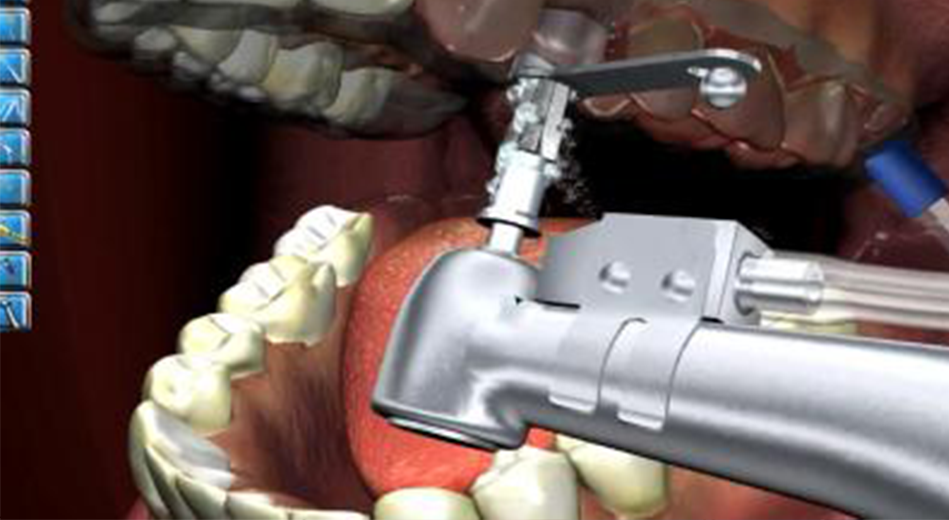
The program focuses on implant treatment planning, surgical execution, prosthetically driven implant placement, and complication management using high-fidelity simulation models and augmented-reality–assisted navigation.

Through structured simulation scenarios, candidates gain hands-on experience in implant osteotomy preparation, implant positioning, angulation control, anatomical risk avoidance, and postoperative management ensuring patient safety while preparing for independent implant practice.

Learning Objectives
  • Develop advanced surgical competence in implant dentistry
  • Enhance accuracy in implant positioning and angulation
  • Integrate prosthetic considerations into surgical planning
  • Improve understanding of anatomical landmarks and risk zones
  • Strengthen skills in implant complication prevention and management
  • Apply simulation and navigation technologies in implant training
Learning Methodology
  • Simulation-based implant surgery training on advanced jaw models
  • Augmented reality and image-guided visualization of implant placement
  • Stepwise implant planning using simulated CBCT datasets
  • Repetitive hands-on practice of osteotomy and implant insertion
  • Faculty-guided assessment with structured technical feedback
Learning Outcomes
  • Perform prosthetically guided implant planning in simulated cases
  • Execute implant osteotomy and placement with precision and control
  • Maintain safe distances from critical anatomical structures
  • Identify and manage intraoperative and early postoperative complications
  • Demonstrate improved surgical confidence and decision-making
  • Apply evidence-based implant principles in simulated clinical scenarios
Eligibility Criteria
  • Postgraduate dental candidates (MDS) in oral & maxillofacial surgery, prosthodontics, periodontology, or related specialties
  • Dental graduates with formal postgraduate training or institutional implant exposure
  • Clinicians seeking structured, simulation-based implant skill enhancement
  • Prior theoretical knowledge of implant dentistry is required; clinical implant experience is desirable but not mandatory
Course Modules
Module 1: Fundamentals of Implant Surgical Principles
  • Principles of osseointegration and implant biology
  • Implant system components and instrumentation
  • Surgical ergonomics and handpiece control
  • Aseptic protocols in implant surgery
  • Role of simulation in implant training
Module 2: Implant Treatment Planning & Case Selection
  • Patient selection and risk assessment
  • Interpretation of CBCT and simulated radiographic datasets
  • Bone quality and quantity evaluation
  • Prosthetically driven implant planning
  • Selection of implant size, position, and angulation
Module 3: Surgical Implant Placement Techniques
  • Flap and flapless implant approaches
  • Osteotomy sequence and depth control
  • Implant insertion torque and primary stability
  • Immediate versus delayed placement principles
  • Guided and freehand implant placement simulation
Module 4: Advanced Implant Simulation Scenarios
  • Implant placement in posterior and aesthetic zones
  • Management of limited bone height and width
  • Sinus proximity and nerve avoidance strategies
  • Simulation of angulation and positioning errors
Module 5: Implant Prosthetic Considerations
  • Implant–prosthetic interface principles
  • Abutment selection and positioning
  • Occlusal considerations in implant restorations
  • Temporization principles in implant cases
Module 6: Complications, Maintenance & Clinical Decision-Making
  • Management of intraoperative implant complications
  • Early postoperative complications and prevention
  • Peri-implant tissue considerations
  • Long-term maintenance and follow-up protocols
  • Decision-making for referral or revision procedures

Quick Contact

WhatsApp